
- Share
Explore our Resources this Financial Literacy Month
Teachers, parents, and students: check out games, lesson plans, and more—all designed to engage while teaching personal finance concepts and skills.

President’s Speech: An Update on the U.S. Economy and Monetary Policy
President Mester spoke to business economists in Cleveland, Ohio, on April 2, 2024.
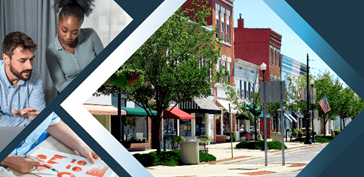
New Fed report looks at small business conditions
The Small Business Credit Survey 2024 Report on Employer Firms explores how small firms performed in 2023, the challenges they faced, and their experiences seeking financing.

For Many Who Want to Own a Home, It’s Tough—Even in Affordable Places Like Ohio
Homebuyers, housing experts, and Cleveland Fed researchers discuss the state of affordable homeownership and why it matters.
Home Lending Trends from Select Counties in Kentucky, Ohio, and Pennsylvania: 2018–2022
Regional Economic Sentiment: Constructing Quantitative Estimates from the Beige Book and Testing Their Ability to Forecast Recessions
Worker Voices Special Brief: Self Employment: Dreams vs. Reality
The Evolution of US Bank Capital around the Implementation of Basel III
A stable economy for all
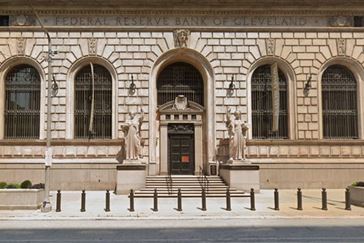
That’s our goal at the Cleveland Fed. Serving the Fourth Federal Reserve District, we strive to ensure the health of our monetary system through our role in regulating financial institutions, and we promote education and community development through research and programming.

Work with us
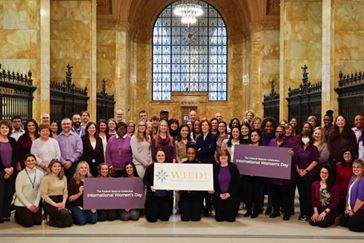
Looking for your next opportunity? We’re proud to be ranked a top place to work in Northeast Ohio, offering the benefits you need and the work-life balance you want in addition to promoting an inclusive culture of diversity and acceptance. Join us in our mission to strengthen the economic performance of the nation and our region and make a positive impact on the communities we serve.

Engaging and rewarding
Working as a software developer for the bank in Information Technology is engaging and rewarding. I get to build valuable solutions for customers while working with a team who foster creativity, innovation, and learning. There is never a dull moment in IT.